For generations, readers have taken pleasure in owning more books than they could possibly read. A. Edward Newton, an American author and noted book collector, famously described the presence of unread books as a source of comfort rather than obligation—a reminder of possibility rather than failure.
In Japan, there is a word for this impulse: tsundoku, a term that describes the habit of acquiring reading materials and letting them pile up, unread. It is a word that resonates because it reflects a familiar truth: access to books often matters as much as the act of reading them.
But as reading has moved increasingly to digital platforms, that long-accepted habit has taken on a new shape. What was once a visible stack on a nightstand is now an endless, scrolling library, easy to add to and difficult to confront. For many readers, the result is not simplicity, but a new form of digital clutter.
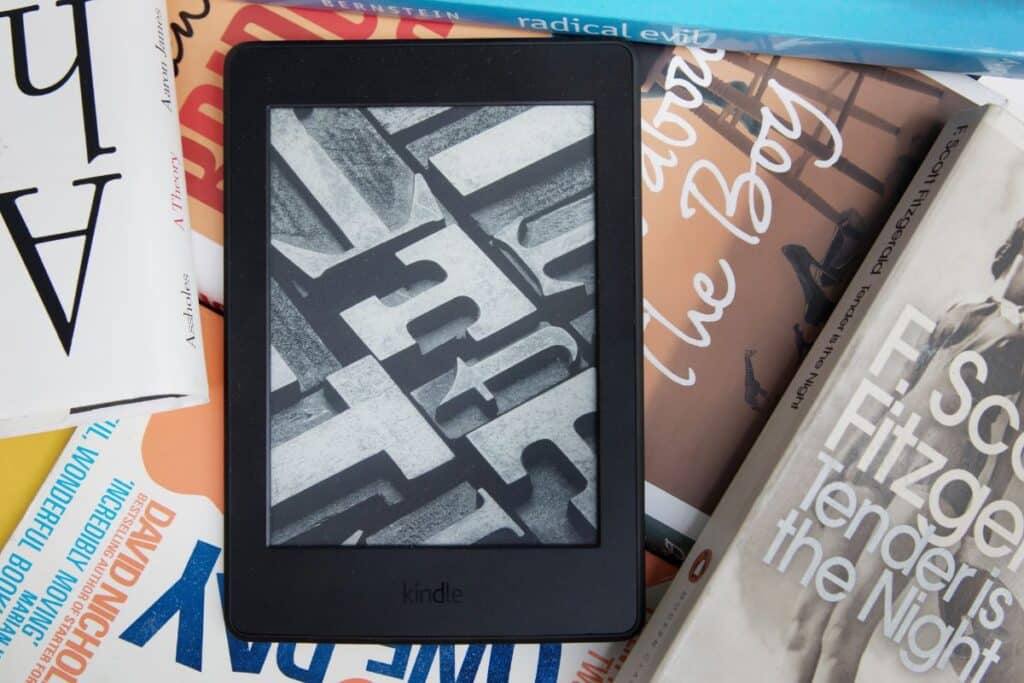
Unlike physical books, which provide a visual reminder of their presence, digital books disappear into long lists and grids. Over time, some readers report feeling overwhelmed when opening their Kindle app — not because they lack options, but because they have too many.
What surprises many readers is that unread e-books can carry the same emotional weight as physical clutter. An expanding digital library can create pressure to read faster, finish more, or justify past purchases. Instead of feeling excited to choose a next read, readers describe feeling stuck, guilty, or fatigued before they even begin.
Much of this behavior aligns with established research on digital consumption. Psychologists and behavioral researchers have described phenomena such as information overload, decision fatigue, and digital hoarding as common responses to environments where content is abundant and easy to acquire—patterns increasingly visible in media libraries, inboxes, and e-reading platforms.
How Readers Are Reclaiming Control of Their Reading Lives
In response, many readers are changing how they manage what they plan to read by separating intention from accumulation. Rather than relying on the ever-expanding library view of an e-reader, readers are increasingly turning to external systems to organize their reading lives.
One of the most visible changes has been the growing reliance on “to be read” lists, particularly on platforms like Goodreads and other reading-tracking apps. Instead of letting unread books fade into the background of a digital library, readers are curating smaller, more intentional lists that reflect what they actually want to read next, rather than everything they have ever acquired.
Reading journals, both digital and handwritten, have also become part of this shift. By writing down titles, noting why a book was added, or recording when interest fades, readers are creating distance between impulse and commitment. The act of tracking reading externally allows the e-reader to return to its original purpose: access, rather than obligation.
This move toward structured reading lists reflects a broader trend toward intentional reading. Rather than measuring success by the number of books completed or owned, readers are focusing on alignment, like choosing books that fit their current interests, available time, and mental bandwidth.
For many, this means allowing reading plans to change. Titles can be removed from lists without guilt, interest can be deferred indefinitely, and unread books no longer function as quiet reminders of unfinished goals. In this model, the value of a book lies not in its presence on a device, but in the decision to engage with it.
The unread selections in a digital library may be an unavoidable feature of modern reading, but the way readers respond is evolving. By moving intention outside the device with lists, journals, and curated queues, readers are redefining what it means to be well-read in a digital age. Not more books, but clearer choices.

Thalia Mercer is a writer covering mystery and thriller fiction, with a focus on book-to-screen adaptations and contemporary reading culture. She writes about why certain stories resonate—and how they translate beyond the page.