Reading is trending up, and not in a soft, anecdotal way. Recently, I reported a surge in reading streaks, a spike in book ownership, and readers treating books as a daily ritual once again.
Now, that momentum hasn’t slowed. If anything, it’s crystallized around one genre—thrillers. Stories built on tension, propulsion, and emotional stakes are no longer niche favorites. They’re shaping what people talk about, recommend, and revisit.
What’s driving that resurgence isn’t algorithms or automated discovery. It’s people. Even as comfort with AI tools grows, readers still trust human connection most. Recommendations now travel through conversation, shared moments, and recognition—proof that reading remains a deeply social act, even in a screen-filled world. And that social, human-driven discovery is exactly what set the next cultural spark in motion.
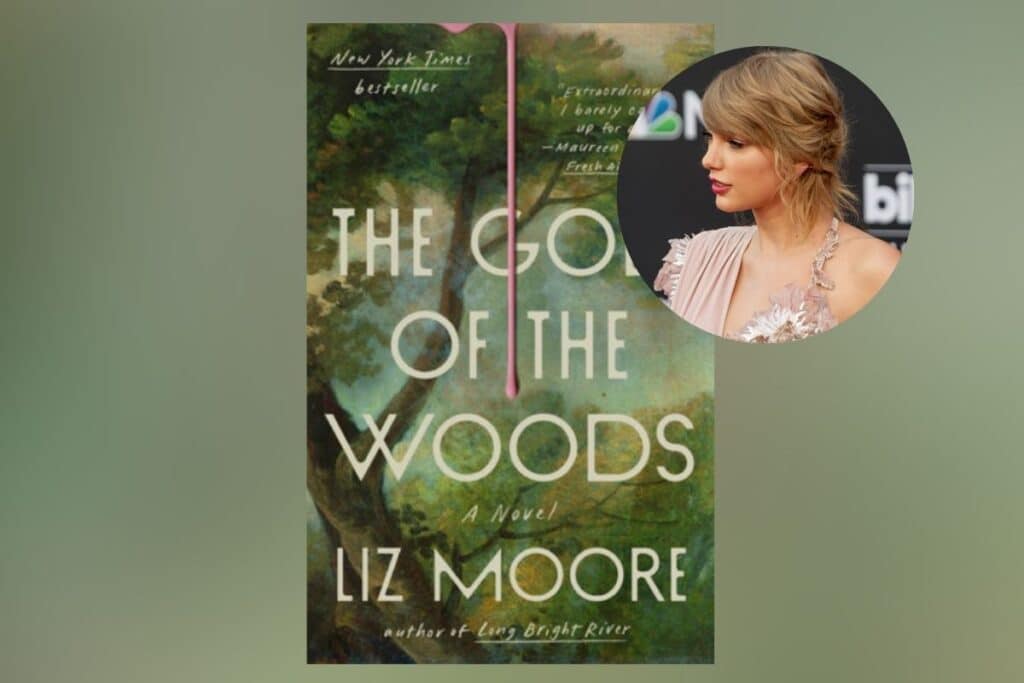
That’s where Taylor Swift enters the picture—not as a formal endorsement, but as an unintentional signal of how discovery works now. Swift never named The God of the Woods publicly. Instead, viewers of The End of an Era documentary heard a few lines read aloud backstage, just enough for fans to recognize the passage and identify the book on their own. The moment spread because people were listening closely, comparing notes, and sharing what they caught. It’s the perfect example of how readers move information quietly, collaboratively, and with astonishing speed.
Author Liz Moore acknowledged the moment on Instagram, writing that she woke up to an explosion of messages and thanking fans “Thank you Swifties for your sharp eyes and ears and love of reading. Thanks @taylorswift for being a real person. (And HARD relate on the power of audiobooks for anxiety relief.)” The moment was organic, reader-driven, and—importantly—incidental.
That kind of organic recognition carries weight. It’s what fans have dubbed the “Swift Lift,” a measurable surge in attention that follows moments of genuine cultural overlap, even indirect ones. And it’s already visible here. Search interest for The God of the Woods has surged nearly 300% week-over-week, echoing the same pattern Swift has triggered across music, fashion, film, and beyond. The signal is unmistakable: readers are paying attention, and their attention moves markets.
For Hollywood, this matters. The recent wave of thriller adaptations suggests studios aren’t treating books as secondary. Instead, they’re watching what readers are engaging with, talking about, and elevating together. And right now, that attention is primarily focused on twist-driven mysteries and psychologically rich suspense. Swift’s inadvertent spotlight didn’t create the trend; it confirmed it.
A Thriller That Found Its Moment
Moore’s atmospheric thriller, The God of the Woods, centers on the disappearance of a teenage girl from an elite summer camp in the Adirondacks. It’s a mystery that slowly peels back layers of family secrecy, class tension, and institutional silence. The novel unfolds across multiple timelines and perspectives, resisting the sharp twists typical of buzzy thrillers in favor of slow, unsettling accumulation. It’s less about shock than about unease, the kind of unease that lingers after the final page.
That restraint may be precisely why the book has endured beyond its initial release. The God of the Woods was named to Barack Obama’s 2024 list of favorite books, a distinction that often signals literary credibility as much as cultural relevance. The nod placed Moore’s novel in conversation with books known not just for popularity, but for depth, craft, and staying power.
Taken together—the reading resurgence, the rise of thrillers, the organic Swift Lift, the Hollywood attention—a pattern emerges. Readers are doing more than consuming stories. They’re actually steering them. Their habits are shaping what gets adapted, what gets optioned, and what becomes a cultural event. Hollywood isn’t leading this moment. It’s reacting to it.
And that’s the real story here. Swift may have accelerated the spotlight on The God of the Woods, but the foundation was already in place: a readership that’s energized, vocal, and increasingly influential. Studios are finally treating reader behavior as a meaningful signal, not a niche curiosity.
If the last decade belonged to cinematic universes, the next one may belong to literary ones—built not by algorithms or marketing budgets, but by readers themselves.

Thalia Mercer is a writer covering mystery and thriller fiction, with a focus on book-to-screen adaptations and contemporary reading culture. She writes about why certain stories resonate—and how they translate beyond the page.